

Being a pet owner comes with a lot of questions, and we're here to help. Our veterinary blog is filled with practical information, seasonal pet care tips, updates from our animal hospital, and answers to common questions we hear from pet owners throughout Boulder and the surrounding communities.
Whether you're looking for guidance on preventive care, senior pet health, nutrition, behavior, or the latest veterinary recommendations, you'll find helpful resources written by the team that cares for your pets every day.
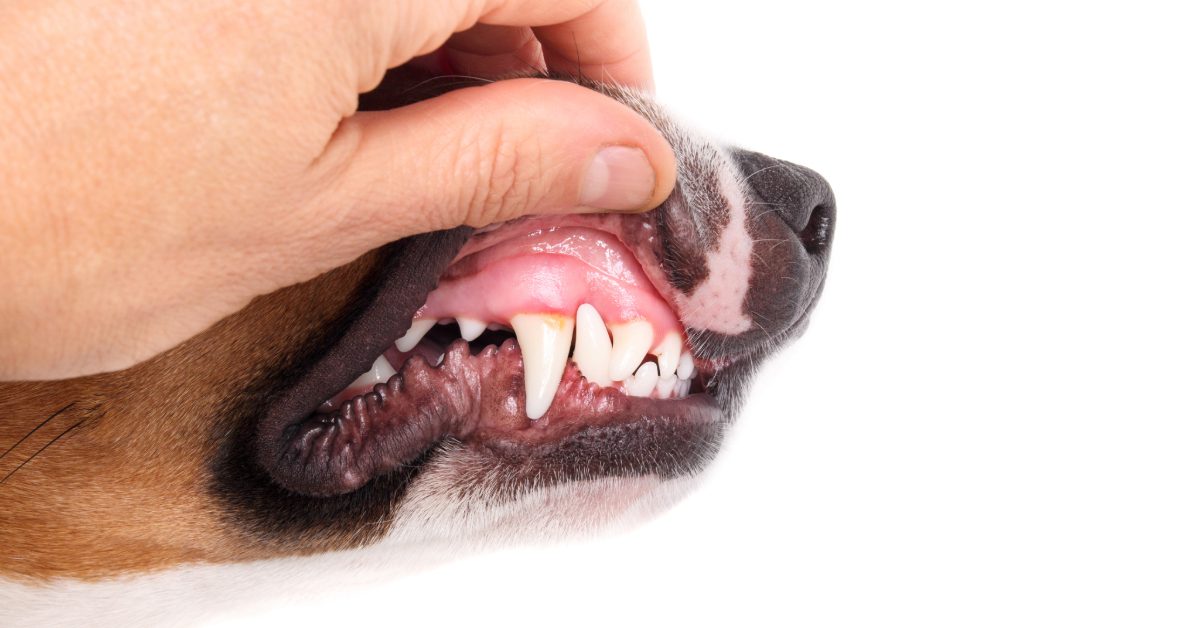
What Is That Bump on My Dog’s Gum? When a ‘Mouth Growth’ Becomes an Emergency
A bump on your dog’s gum can range from a harmless, benign growth to a fast-growing oral tumor, and the only way to tell the difference is through a hands-on veterinary exam, often combined with a biopsy. It’s an unsettling moment for any pet owner: you’re checking your dog’s teeth, or simply notice it while…
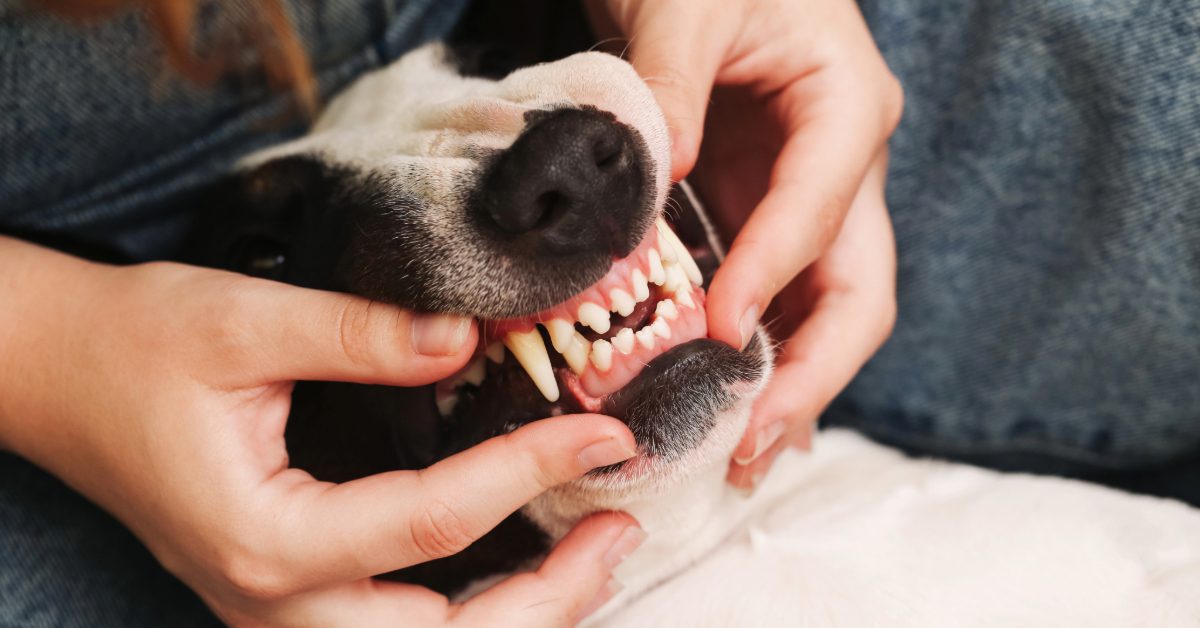
Why Are My Dog’s Gums Bleeding? Distinguishing Between Gingivitis and Periodontal Disease
A little bleeding from your dog’s gums during a vigorous game of tug or an enthusiastic brushing session can be normal, but gums that bleed easily, frequently, or without an obvious cause are usually an early sign of gum disease in dogs. Many owners assume bleeding gums are just a minor irritation, similar to a…
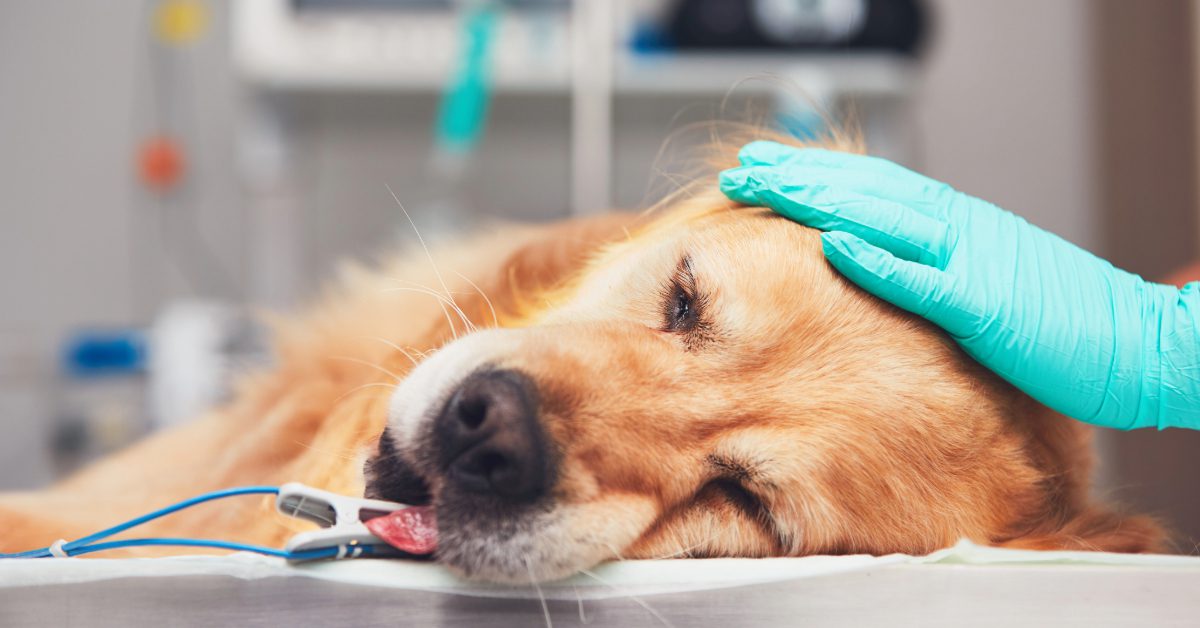
Is Anesthesia for Pets Actually Safe? What Every Concerned Owner Needs to Know
Yes, anesthesia for pets is considered very safe for the vast majority of dogs and cats, thanks to modern monitoring equipment, tailored drug protocols, and pre-anesthetic screening that catches risk factors before they become problems. Even so, it’s completely normal to feel nervous the night before your pet’s procedure. At Indian Peaks Veterinary Hospital in…

Why Does My Dog Have ‘Death Breath’ Even After Dental Chews?
Dental chews only clean the surface of the teeth, so if your dog still has “death breath,” the real cause is almost always hiding below the gumline or, in some cases, somewhere else in the body entirely. It’s one of the most frustrating experiences for a pet parent: you’ve bought the chews, brushed when you…
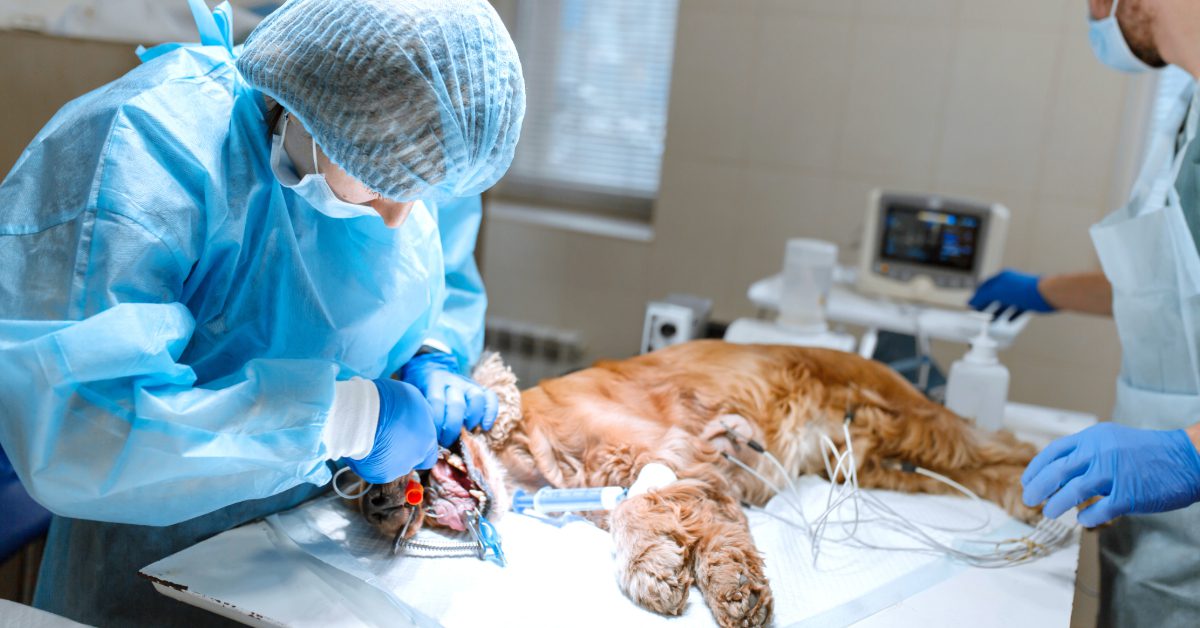
Is Pet Dental Surgery Necessary? The Complete Guide to Veterinary Dental Health
If your pet has noticeably bad breath, red or bleeding gums, loose or broken teeth, or seems to chew carefully on one side of its mouth, these are usually the clearest signs that pet dental surgery may be necessary, though only a hands-on oral exam can confirm a diagnosis. Many pet owners picture dental surgery…

What’s Wrong With My Dog?
You’re lying down on the couch, half-watching your favorite Netflix show while scrolling through TikTok. In the background, you hear a strange sound and assume it’s coming from the TV, until you look up and realize it’s actually your dog coughing across the room. Within seconds you’re typing the question so many pet parents have…
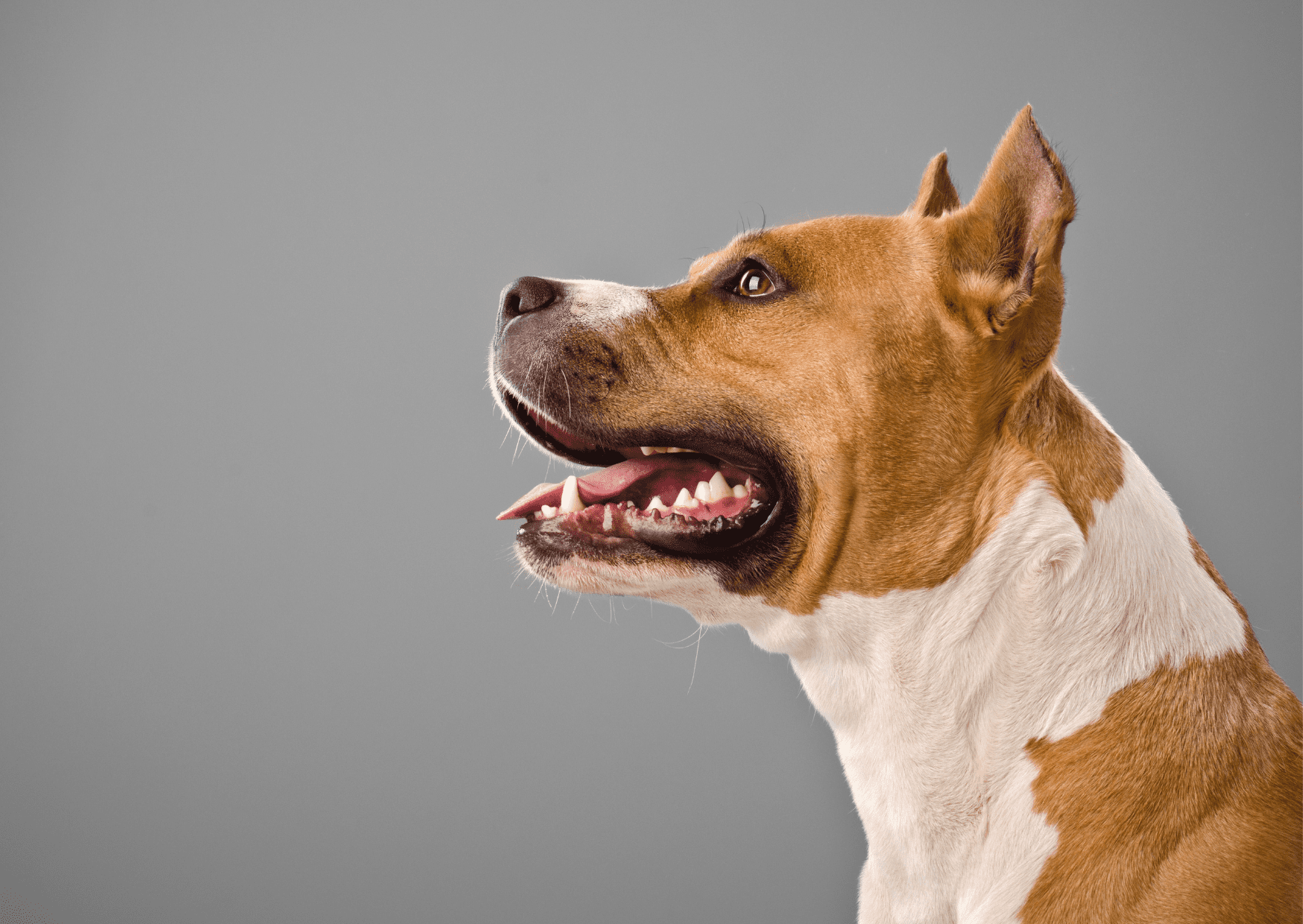
Periodontal Disease in Dogs: From First Signs to Treatment
Maybe you noticed your dog pulling away when you touched their face. Maybe they have been eating more slowly, dropping food, or showing less interest in their favorite chew toy. Or maybe it is simply that their breath has changed and something feels off. Whatever brought you here, trust that instinct. These small, easy-to-dismiss changes…

Dog Bad Breath: The Causes, the Cures, and When to Worry
We’ve all been there. Your dog bounds over for a cuddle, opens their mouth, and the moment is instantly less charming than you hoped. A little doggy odor is one thing. But persistent, strong dog bad breath is something else entirely, and it’s worth paying attention to. The good news? Bad breath in dogs is…
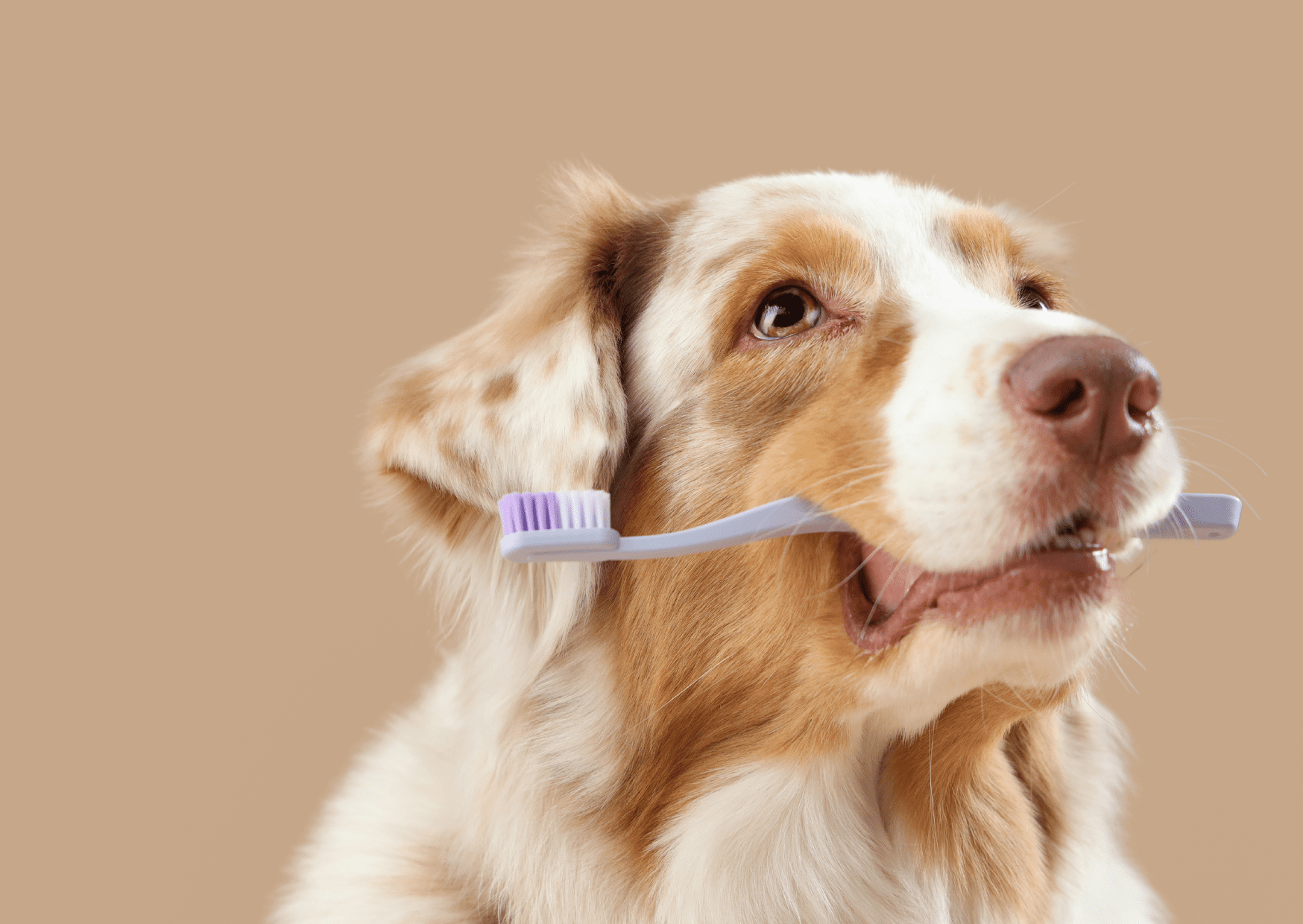
Why Dental Disease Is a Whole-Body Health Issue for Pets
If your dog has bad breath, you’ve probably heard or thought “that’s just how dogs smell.” It’s one of those things pet owners tend to accept as normal. But here’s what we want you to know: persistent bad breath in dogs and cats is rarely just a quirk. More often, it’s the first visible signal…